Red Light Therapy: Hype vs. What Actually Works
6,000 studies, wild claims. Where the evidence is real — and the panels worth buying.
ⓘ This issue contains affiliate links. If you buy through them, VITALS may earn a commission — at no extra cost to you.
Red light therapy is everywhere — masks, panels, wands, $200 to $2,000. There are over 6,000 published studies, which sounds impressive until you read them. So here’s the honest split: where the evidence is genuinely solid, and where the marketing has sprinted miles ahead of the science.
Where the evidence is real
Skin. A randomized trial at 633 nm showed real gains in complexion and roughness, with intradermal collagen density up ~20% after 30 sessions. Also supported: wound healing, pattern hair loss, and joint pain — with modest-but-promising muscle recovery.
Where to stay skeptical: claims about weight loss, “detox,” cognitive enhancement and hormone optimization have weak or no evidence. If a device markets those, that’s your cue the seller is ahead of the science.
What to buy (if you buy)
A red-light face mask
The most evidence-backed use. Look for ~630–660 nm and a real irradiance spec, not vague “wavelength” claims.
See top-rated →A full-body red-light panel
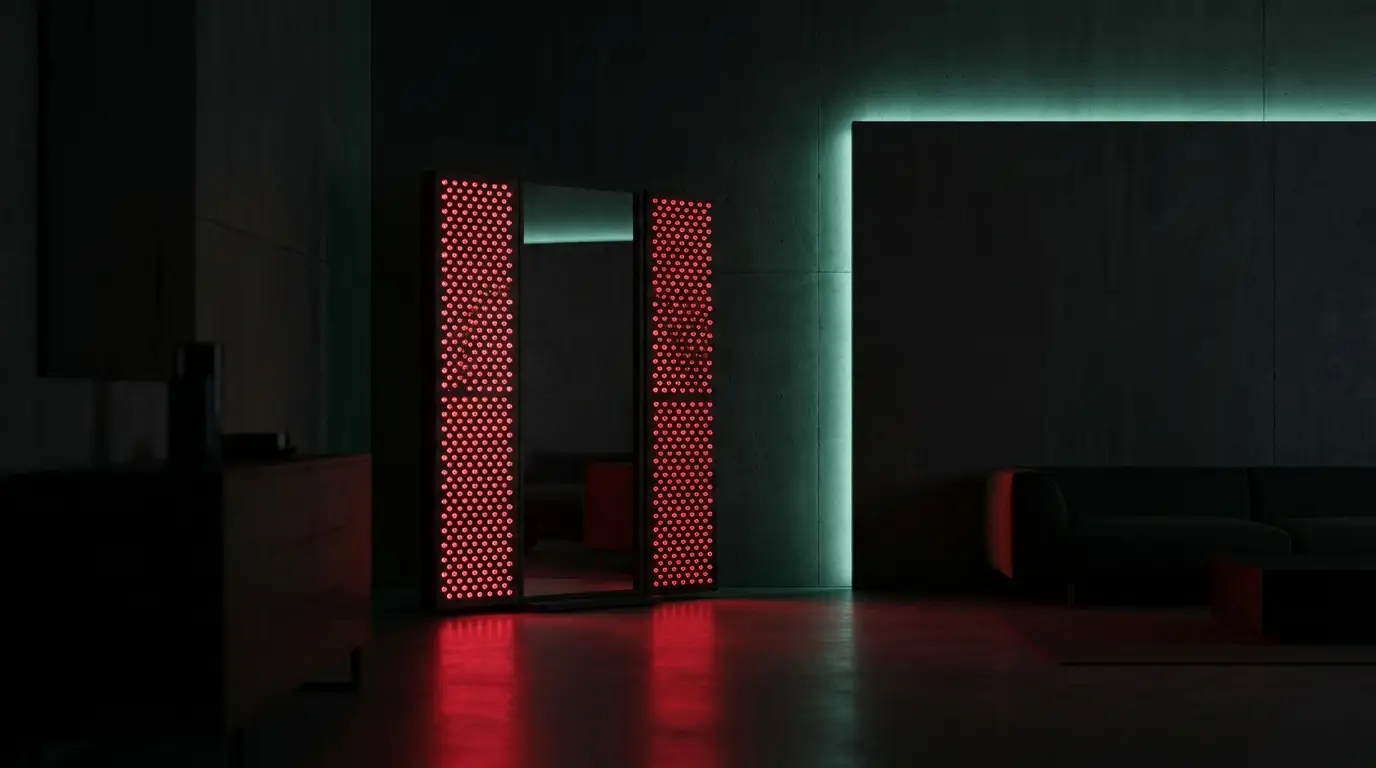
For joint pain and muscle recovery. Bigger panel = more coverage; check the published irradiance at distance.
Compare panels →VITALS reports on medicine and is not medical advice. Consult a clinician for any health decision.