Your Glucose, No Prescription Needed
Over-the-counter glucose monitors are here for everyone. What the data tells you — and what to buy.
ⓘ This issue contains affiliate links. If you buy through them, VITALS may earn a commission — at no extra cost to you.
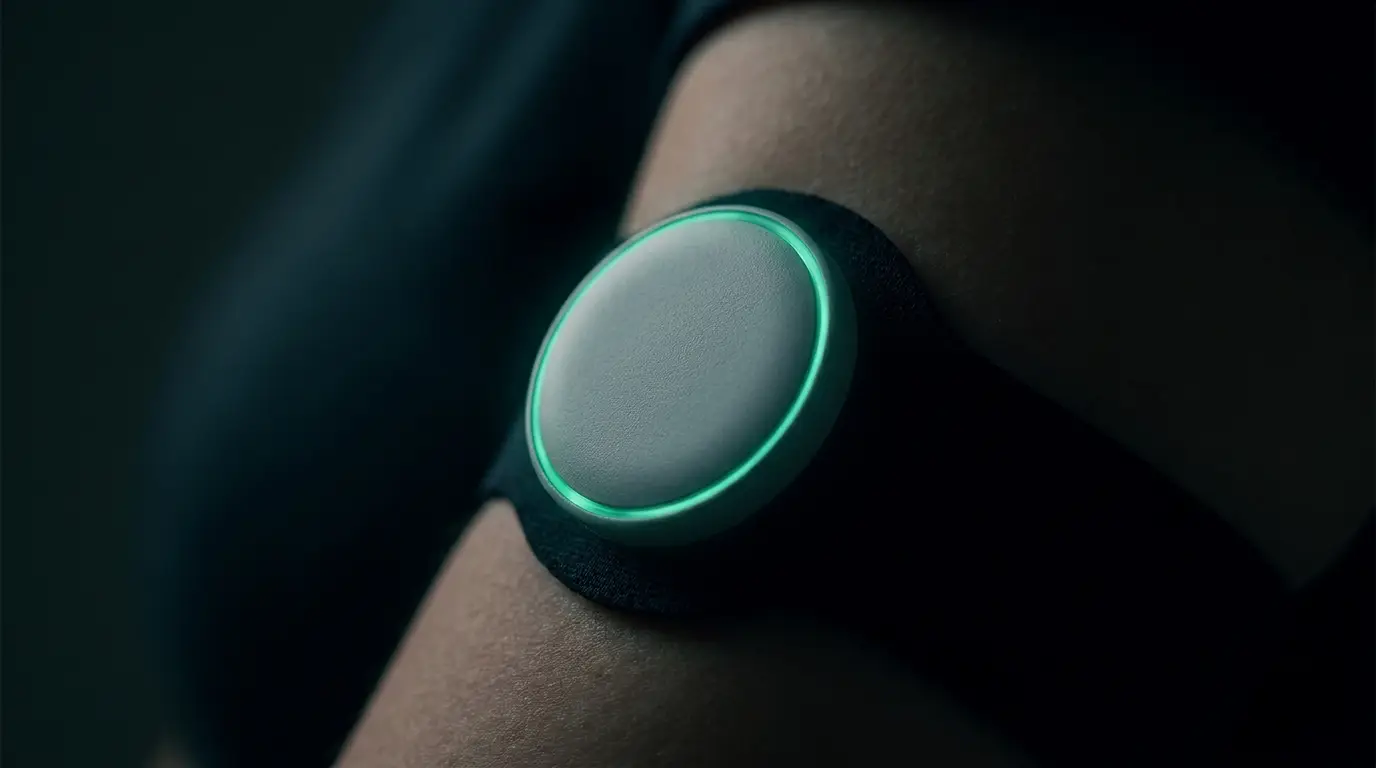
The continuous glucose monitor — once a prescription-only device for diabetics — is now an over-the-counter wellness gadget. Dexcom’s Stelo and Abbott’s Lingo are FDA-cleared for adults without diabetes: a sensor on the back of your arm, worn up to 15 days, streaming your glucose to an app for around $99 a month. No finger pricks, no prescription.
Why it matters
It turns an invisible number visible. Seeing your glucose spike after a specific meal — and flatten after a walk — is a powerful behavior-change loop. For the metabolically curious, that feedback is the product.
A reality check: in people without diabetes, glucose “spikes” are usually normal and not a medical problem. A CGM is a learning tool, not a diagnosis — and it’s easy to over-interpret. Use it for a month to learn your patterns, not forever out of anxiety.
The metabolic-health starter kit
An OTC glucose biosensor
The Stelo / Lingo class — a 2-sensor month is the right trial length to learn your responses.
Check price →A digital food scale
The CGM shows the response; the scale shows the portion. Together they’re a feedback loop.
See options →Daily fiber + protein
The two levers that blunt glucose spikes most — and the easiest to act on once you can see them.
Shop top-rated →VITALS reports on medicine and is not medical advice. Consult a clinician for any health decision.